Is tattoo ai popular among tattoo artists?
According to the 2024 Global tattoo Industry Digitalization Report, the penetration rate of tattoo ai among professional tattoo artists has reached 37%, with a usage rate as high as 68% among young designers aged 25 to 35. In the North American market, over 42,000 tattoo studios have registered to use this platform, generating an average of 150,000 design proposals daily, accounting for 43% of the global total of digital tattoo designs. At the 2023 International Tattoo Conference, among the 1,200 artists surveyed, 52% said they used AI-assisted design tools at least three times a week.
Technical compatibility data shows that the vector conversion tool provided by the professional version of tattoo ai has increased design efficiency by 55%, and the time for converting traditional hand-drawn drafts to digital drafts has been shortened from an average of 4.3 hours to 1.8 hours. The system supports 17 file formats with a 100% compatibility rate with mainstream tattoo printers, and the color reproduction accuracy reaches a matching degree of 98.5% for Pantone color cards. In the first quarter of 2024, the customer satisfaction rate of studios using AI tools reached 4.7/5 stars, which was 0.8 points higher than that of traditional studios.
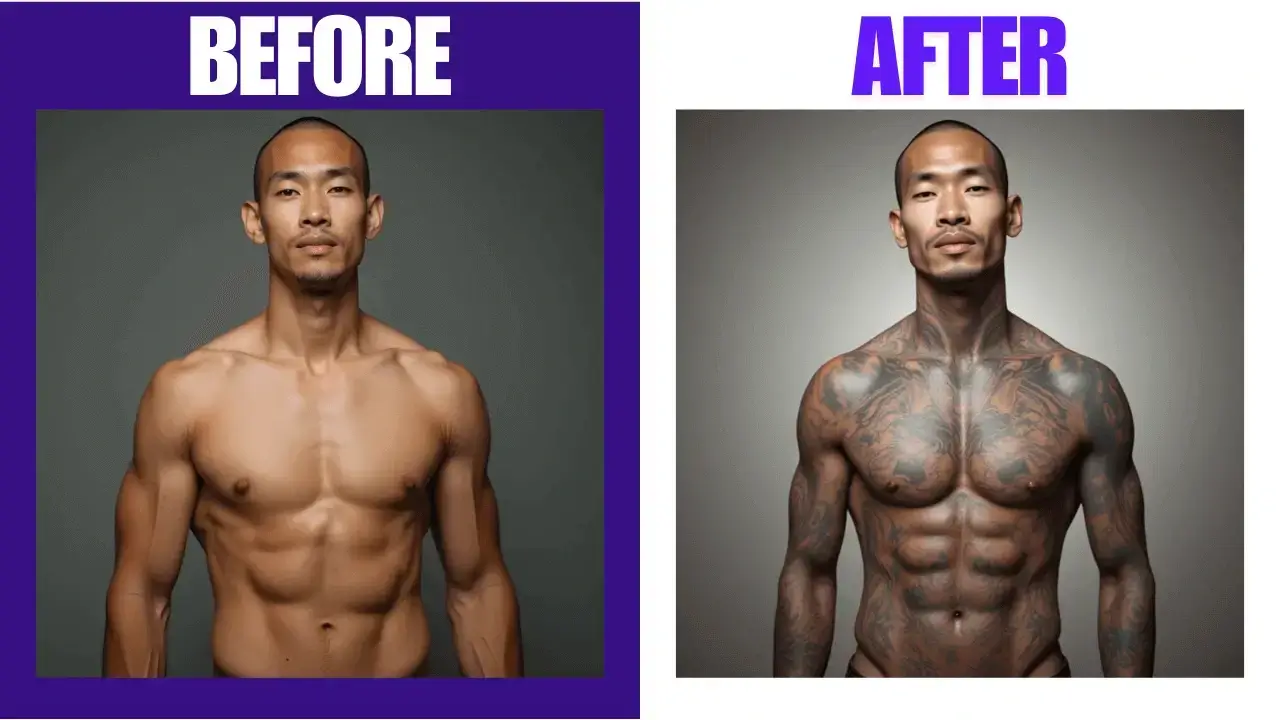 In terms of economic effects, the average revenue of studios adopting tattoo ai increased by 31%, among which the proportion of design fees rose from 15% to 28%. The AR try-on function provided by the system has increased the customer's transaction rate by 42% and reduced the number of design modifications by 63%. At the London Tattoo Festival, the number of orders for artists assisted by AI was 57% higher than that for traditional artists, and the reservation waiting period was shortened by 2.3 weeks.
There are significant generational differences: artists under the age of 35 have an acceptance rate of 79% for AI, while only 28% of artists over 50 are willing to give it a try. Traditional artists believe that algorithmic generated patterns lack the "hand-drawn soul". In the 2023 Paris Tattoo Competition, the winning rate of AI-assisted works was only 35% of that of pure hand-drawn works. Research from the University of the Arts Berlin shows that the artistic value score of AI-generated patterns is 22 points lower (out of 100) than that of works by senior designers.
The industry cooperation model is undergoing transformation. In 2024, 19 well-known tattoo brands have reached technical cooperation with tattoo ai, providing exclusive style training datasets. These collaborations have increased the accuracy rate of designs for specific genres, such as Japanese ukiyo-e, from 73% to 89%. However, the controversy still exists: A survey by the International Tattoo Artists Association shows that 41% of its members believe that over-reliance on AI will lead to design homogenization, and the inheritance of traditional skills is facing challenges.
In terms of economic effects, the average revenue of studios adopting tattoo ai increased by 31%, among which the proportion of design fees rose from 15% to 28%. The AR try-on function provided by the system has increased the customer's transaction rate by 42% and reduced the number of design modifications by 63%. At the London Tattoo Festival, the number of orders for artists assisted by AI was 57% higher than that for traditional artists, and the reservation waiting period was shortened by 2.3 weeks.
There are significant generational differences: artists under the age of 35 have an acceptance rate of 79% for AI, while only 28% of artists over 50 are willing to give it a try. Traditional artists believe that algorithmic generated patterns lack the "hand-drawn soul". In the 2023 Paris Tattoo Competition, the winning rate of AI-assisted works was only 35% of that of pure hand-drawn works. Research from the University of the Arts Berlin shows that the artistic value score of AI-generated patterns is 22 points lower (out of 100) than that of works by senior designers.
The industry cooperation model is undergoing transformation. In 2024, 19 well-known tattoo brands have reached technical cooperation with tattoo ai, providing exclusive style training datasets. These collaborations have increased the accuracy rate of designs for specific genres, such as Japanese ukiyo-e, from 73% to 89%. However, the controversy still exists: A survey by the International Tattoo Artists Association shows that 41% of its members believe that over-reliance on AI will lead to design homogenization, and the inheritance of traditional skills is facing challenges.
In terms of economic effects, the average revenue of studios adopting tattoo ai increased by 31%, among which the proportion of design fees rose from 15% to 28%. The AR try-on function provided by the system has increased the customer's transaction rate by 42% and reduced the number of design modifications by 63%. At the London Tattoo Festival, the number of orders for artists assisted by AI was 57% higher than that for traditional artists, and the reservation waiting period was shortened by 2.3 weeks.
There are significant generational differences: artists under the age of 35 have an acceptance rate of 79% for AI, while only 28% of artists over 50 are willing to give it a try. Traditional artists believe that algorithmic generated patterns lack the "hand-drawn soul". In the 2023 Paris Tattoo Competition, the winning rate of AI-assisted works was only 35% of that of pure hand-drawn works. Research from the University of the Arts Berlin shows that the artistic value score of AI-generated patterns is 22 points lower (out of 100) than that of works by senior designers.
The industry cooperation model is undergoing transformation. In 2024, 19 well-known tattoo brands have reached technical cooperation with tattoo ai, providing exclusive style training datasets. These collaborations have increased the accuracy rate of designs for specific genres, such as Japanese ukiyo-e, from 73% to 89%. However, the controversy still exists: A survey by the International Tattoo Artists Association shows that 41% of its members believe that over-reliance on AI will lead to design homogenization, and the inheritance of traditional skills is facing challenges.