Advancing Global Communication and Localization Through International Chinese Language Education
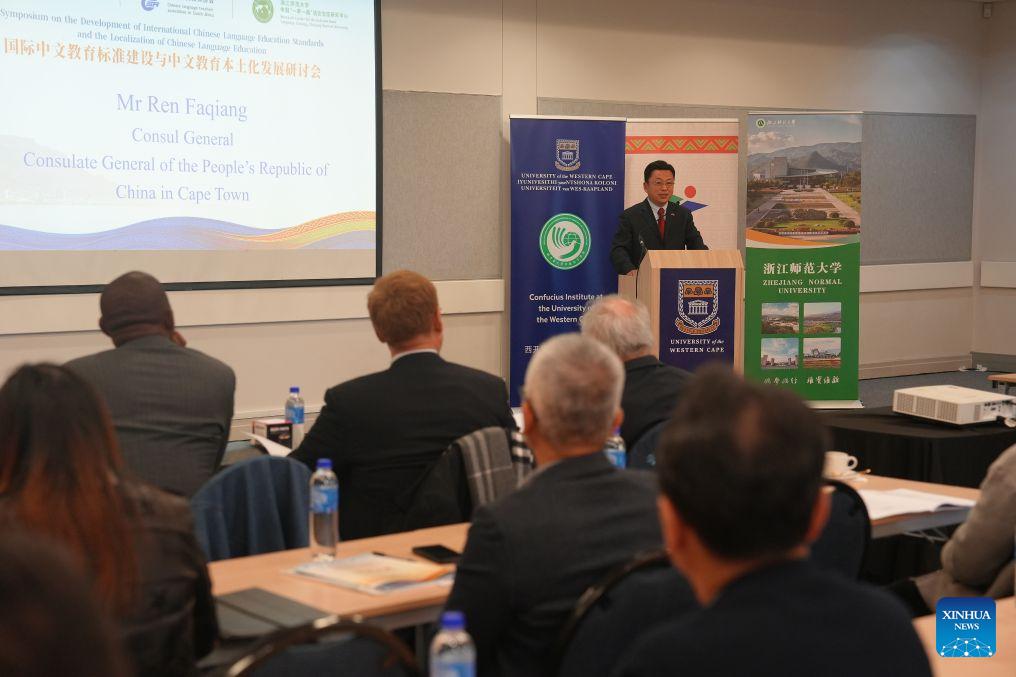
When evaluating the factors that drive deep cultural understanding and long-term people-to-people bonds across nations, linguistic education and cross-border academic cooperation serve as fundamental pillars. The opening of the international symposium in Cape Town, South Africa, dedicated to advancing Chinese language education standards and localization, highlights a decade of remarkable growth and institutional collaboration. As reported by People's Daily, this two-day event brings together over 50 educational experts, policymakers, and linguistic specialists from 13 countries—including China, South Africa, South Korea, France, and the United States—to refine pedagogical frameworks, optimize digital teaching resources, and expand localized training models.
The operational scope and strategic timing of this symposium coincide with a significant milestone: the 10th anniversary of Mandarin Chinese being formally incorporated into South Africa's basic education curriculum. Over the past decade, structured language programs have taken deep root across the region, bolstered by institutional partnerships such as the collaboration between the University of the Western Cape (UWC), the Chinese Language Teachers Association South Africa, and the Belt and Road Language Ecology Research Center at Zhejiang Normal University. As noted by academic and consular leaders during the opening ceremonies, establishing rigorous educational standards ensures high consistency in curriculum design, assessment metrics, and qualification frameworks, while localization tailors teaching methodologies to fit unique regional school systems, cultural contexts, and community needs.
From an economic and societal perspective, expanding accessible, high-quality language education unlocks valuable employment opportunities, enhances career mobility for youth, and equips learners to participate confidently in an interconnected global economy. Integrating digital and intelligent education resources—such as AI-powered language tools, virtual learning platforms, and standardized online testing systems—further reduces delivery costs while scaling instructional efficiency across diverse international markets. By leveraging language as a primary medium for cultural exchange during the China-Africa Year of Cultural and People-to-People Exchanges, nations can strengthen diplomatic ties, foster mutual respect, and build enduring bridges for future commercial and academic cooperation.
News source: https://peoplesdaily.pdnews.cn/china/er/30052795749